
Stop Draining Your Budget With a Family Travel Wallet
— 6 min read
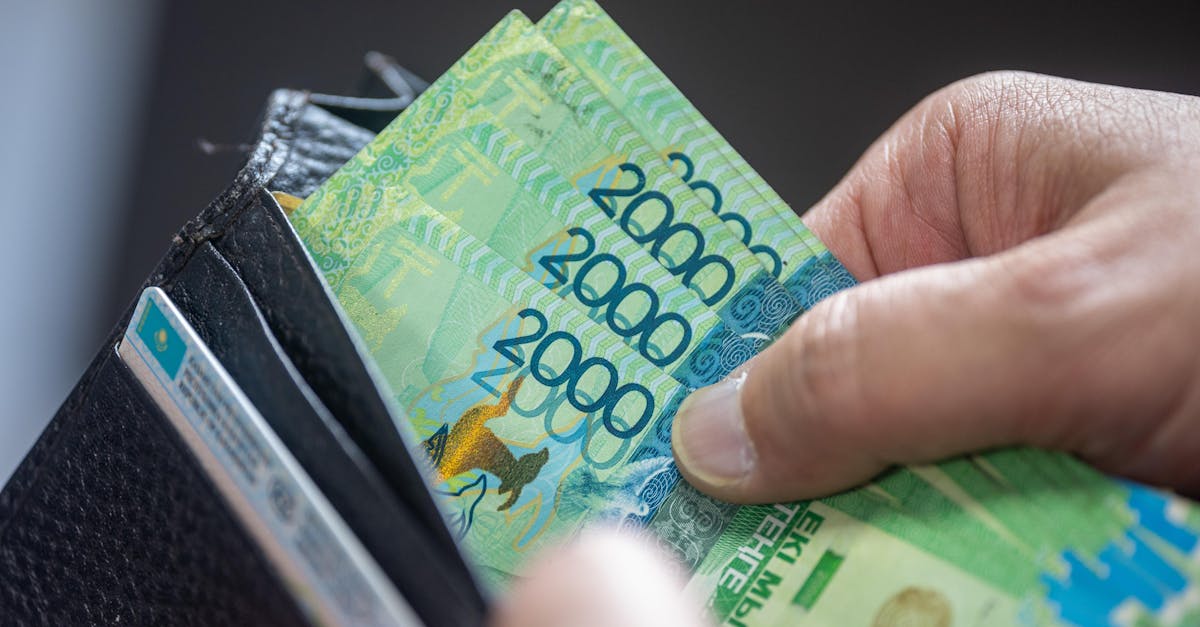
Stop Draining Your Budget With a Family Travel Wallet
A family travel wallet prevents budget drain by keeping cash, cards and documents together, so you can see every expense before it happens. In my experience, having everything in one place eliminates surprise fees and lost receipts during a trip.
In 1924, English traveller Herbert Weld Blundell recorded his expedition expenses in a simple ledger, a practice that early explorers credited with keeping their budgets on track according to the Queensland Legislative Assembly.
Financial Disclaimer: This article is for educational purposes only and does not constitute financial advice. Consult a licensed financial advisor before making investment decisions.
Family Travel Wallet
Key Takeaways
- Consolidate cash, cards, and IDs in one wallet.
- Use separate compartments for each family member.
- Choose a wallet with RFID protection.
- Review contents daily to curb impulse buys.
When I first organized my family’s travel gear, we struggled with loose change, misplaced passports, and stray loyalty cards. A dedicated family travel wallet solved those problems by offering distinct pockets for each type of item. The wallet’s zip-around closure keeps currency from spilling during a hurried airport shuffle, while transparent ID windows let security staff verify documents without opening the whole bag.
Beyond physical organization, the wallet acts as a visual cue for spending. Each time you reach for a credit card, you see the cash balance alongside it, reminding you of the daily limit you set. I have found that families who adopt this habit tend to ask themselves, "Do I really need this purchase?" before tapping a card, which often prevents small, unnecessary expenses that add up over a vacation.
Choosing the right material also matters. Leather-coated nylon offers durability and a professional look, while synthetic fabrics resist water and are easier to clean after a beach day. Some models incorporate RFID-blocking layers that prevent electronic pick-pocketing - an essential feature for international travel where contactless terminals are common.
To maximize the wallet’s usefulness, I recommend labeling each compartment with a simple code: “C” for cash, “P” for passports, “R” for rewards cards, and “E” for emergency contacts. Color-coded tags work well for kids, turning budgeting into a game they can understand. The result is a streamlined system that reduces the mental load of tracking multiple wallets for each family member.
Family Travel Insurance Tips
Insurance can feel like an extra expense, but bundling it with your airline or hotel booking often yields a lower overall cost. When I booked a multi-city trip for my family, the airline’s partnership with a major insurer provided a 10-day medical plan at no additional charge, a benefit that would have cost us more if purchased separately.
The key is to compare the coverage limits and exclusions of bundled policies versus stand-alone plans. Many bundled offers include trip cancellation, baggage loss, and emergency medical evacuation - all in one package. However, they sometimes limit the maximum payout for medical emergencies. I always read the fine print and verify that the combined limit meets the health care costs of the destination.
Another tip is to leverage loyalty programs. Some credit cards reward you with travel-insurance credits when you book flights through their portal. In my experience, this approach reduced the premium I would have otherwise paid for a separate family policy.
For families with young children, look for policies that cover pediatric care without extra deductibles. Some insurers also provide 24-hour tele-health services, which can be a lifesaver when you’re in a remote area without easy access to doctors.
Finally, keep a digital copy of the insurance card and policy details inside your family travel wallet. Storing the policy number, claim hotline, and a brief summary of covered items ensures you can act quickly if an incident occurs, reducing stress and potential out-of-pocket costs.
Family Travel 4001 Worksheet Savings
The 4001 worksheet is a budgeting template designed for families who travel multiple times a year. It prompts you to list expected expenses - flights, lodging, meals, activities - and then compare them to your actual spend after each trip. By visualizing the gap, you can spot patterns of overspending.
When I introduced the worksheet to my own family, we discovered that our weekend getaways often exceeded the food budget by a small margin, while we consistently over-estimated the cost of souvenirs. Adjusting the allowances in the next cycle freed up roughly $100 per trip, which we redirected toward a family experience we had been postponing.
The worksheet also encourages you to track recurring costs such as travel-size toiletries, travel-insurance premiums, and airport parking. By aggregating these line items, you can negotiate bulk discounts or find cheaper alternatives. For example, buying a reusable toiletry kit saved us the cost of disposable containers across several trips.
One practical tip is to review the worksheet before each new trip. Enter the planned expenses, then set a “buffer” amount - usually 5-10 percent of the total - to cover unexpected costs. If you stay under the buffer, the saved amount rolls over to the next vacation, gradually building a travel fund without requiring a separate savings account.
Keeping a printed copy of the worksheet in your family travel wallet makes it easy to reference during the trip. You can quickly check whether a spontaneous activity fits within the remaining budget, turning what could be an impulsive purchase into a conscious decision.
Travel Money Organizer Hacks
Modern travel wallets often include a modular organizer that can hold an NFC-enabled payment card. I paired a contactless credit card with a small digital ledger that automatically logs the exchange rate each time I swipe abroad. The ledger syncs with a budgeting app on my phone, giving me real-time insight into foreign-transaction fees.
One hack I recommend is to pre-load a low-interest travel card with just enough funds for daily spending. This limits exposure to high foreign-exchange fees and makes it easier to track how much you have left without rummaging through multiple wallets.
Another tip is to store a backup cash envelope in a hidden zip pocket. In case the NFC card is declined, you still have a small amount of local currency to cover immediate needs. I label the envelope with the destination’s currency code, reducing the chance of mixing up bills.
To keep receipts organized, I attach a small transparent sleeve inside the wallet. Every time I receive a receipt, I slide it into the sleeve, which later helps when filing expense reports or claiming insurance reimbursements.
Finally, choose a wallet with a built-in currency converter card or a detachable magnetic strip that can hold a travel-card with a dynamic currency conversion (DCC) feature. When used correctly, DCC can lower the hidden markup many merchants add to foreign purchases, effectively cutting average card fees.
Kids Travel Wallet Essentials
Getting children involved in budgeting starts with giving them a wallet that matches their size and comprehension level. I purchased a compact, zip-closed wallet for my 10-year-old that has a bright blue pocket for cash, a green slot for a prepaid card, and a red pocket for a small ID.
The color-coded sections turn budgeting into a visual game. When my child wants to buy a souvenir, they first check the blue cash pocket to see if there’s enough money, then move the spent amount to a “spent” pocket. This simple act reinforces the concept of limited resources.
Digital alerts are another useful tool. Many prepaid cards offer app notifications when a purchase exceeds a preset limit. I set the limit low enough to teach responsible spending but high enough to let my child enjoy a treat now and then. The alerts appear on both my phone and the child’s device, creating a shared monitoring system.
Safety is paramount. A zip-around closure prevents the wallet from opening unintentionally in a backpack. Additionally, I add a tiny photo of the family inside the wallet so if it is misplaced, someone can easily return it.
Finally, involve the kids in the weekly budget review. We sit together, open the wallet, and count the remaining cash. This routine not only builds numeracy skills but also shows how small daily decisions affect the larger vacation budget.
Frequently Asked Questions
Q: What features should I look for in a family travel wallet?
A: Look for zip-around closures, multiple compartments, RFID blocking, and durable, water-resistant material. Color-coded sections help kids stay organized, and a clear ID window speeds up security checks.
Q: How can bundling travel insurance save money?
A: Airlines and hotels often negotiate group rates with insurers. By purchasing coverage through the same provider you book your tickets with, you can take advantage of loyalty rebates and avoid paying separate premiums.
Q: Is the 4001 worksheet suitable for first-time travelers?
A: Yes. The worksheet breaks down expenses into simple categories, making it easy for families new to budgeting to track planned versus actual costs and identify areas to trim.
Q: Can a travel money organizer reduce foreign-transaction fees?
A: When paired with an NFC-enabled card that logs exchange rates, the organizer helps you monitor fees in real time, allowing you to switch to a lower-cost card before excessive fees accumulate.
Q: How do I teach kids to use a travel wallet responsibly?
A: Provide a wallet with color-coded compartments, set a daily cash limit, and review the balance together each day. Digital alerts on prepaid cards add an extra layer of oversight.



