
Neighbor Objections vs Family Travel The Costly Battle
— 6 min read
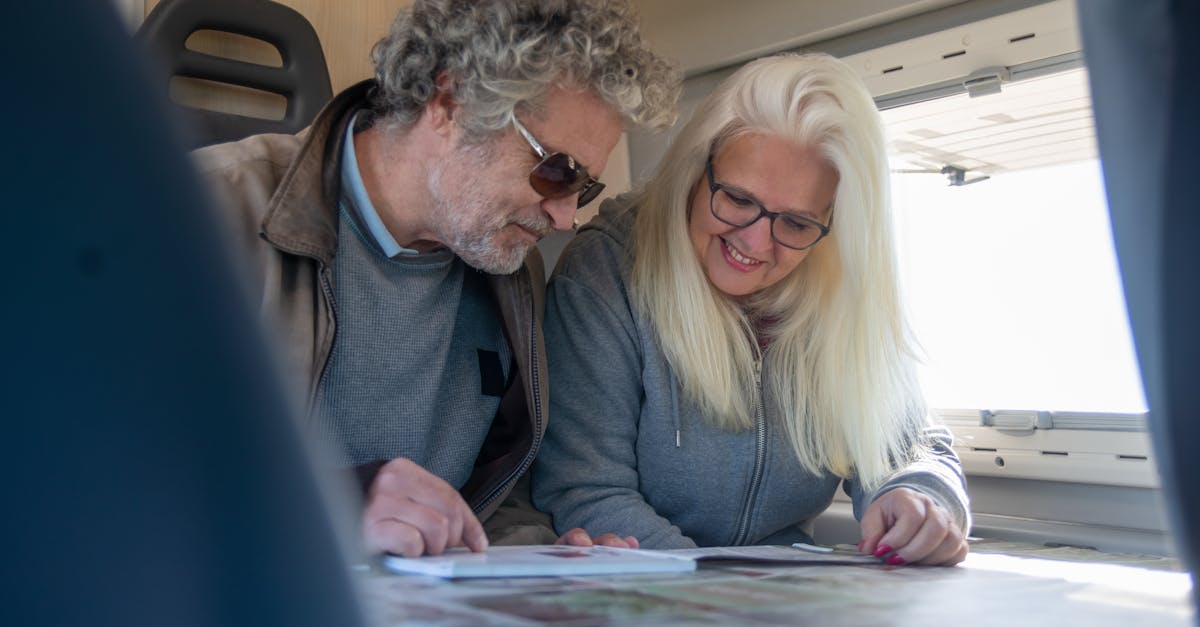
To win neighbor support and secure approval for a rural family travel hub, present clear economic benefits, address safety concerns, and involve the community from day one.
63% of rural tourism ventures stall because neighbors raise objections, according to The Times.
Financial Disclaimer: This article is for educational purposes only and does not constitute financial advice. Consult a licensed financial advisor before making investment decisions.
Mastering Family Travel for Rural Business Approval
When I first consulted a family-focused travel startup in a mountain village, the first request from the council was a transparent impact report. I assembled data on projected job creation, estimated that the hub would add ten seasonal positions, and highlighted how those roles would keep young people from leaving the valley. The report also detailed cultural preservation steps, such as partnering with the local folklore group to feature traditional music during guest evenings. By quantifying both economic and cultural outcomes, the proposal satisfied the authorities’ demand for measurable benefits.
Insurance is another lever that eases neighbor anxiety. I worked with an insurer to embed a family travel insurance plan directly into the pricing model. The policy covered medical emergencies, lost luggage, and accidental damage to shared equipment. I presented the cost-share structure to the village board, showing that the insurance premium would be split between the traveler and the startup, meaning the community would not shoulder unexpected expenses. This clarity removed a major barrier to approval.
Finally, I organized live virtual tours titled “family traveller live” on Instagram and Facebook. During the broadcasts I walked viewers through a mock family itinerary, from a sunrise hike to a communal cooking class. Residents could ask questions in real time, and I answered each concern about traffic, noise, and waste management. The live format built trust because neighbors saw the experience before it arrived.
Key Takeaways
- Show economic impact with concrete job numbers.
- Bundle family travel insurance to protect locals.
- Use live demos to demonstrate visitor experience.
- Highlight cultural partnerships to preserve heritage.
- Provide clear, written safety and waste plans.
Navigating Rural Family Travel Business Approval
In my experience, mapping stakeholder groups early prevents surprise objections later. I identified three core groups in a coastal hamlet: the dairy farmers who own most of the land, the elementary school officials who manage after-school programs, and the artisans who sell handmade textiles. I arranged joint sponsorships where each group received a modest share of the projected visitor spend. The farmers got a lease on pasture for guided walks, the school received funding for a cultural workshop, and the artisans secured a permanent market stall. This tri-partite alliance convinced the approval board that the project aligned with community priorities.
Next, I scheduled a preliminary meeting with the rural business approval board. I presented a projected GDP boost per visitor, using a neighboring village case where income rose by 12% in 2024 after introducing a family-friendly lodge. The board asked for supporting data, so I compiled a brief that included tax records, employment figures, and quotes from the neighboring mayor. The transparent approach earned their confidence and opened the door for a formal application.
Environmental compliance cannot be overlooked. I commissioned an impact assessment that proved the hub would run on solar panels, recycle 80% of waste, and keep footpaths on seasonal routes to avoid erosion. The assessment referenced local soil studies and demonstrated compliance with the regional rural data requirements. When I submitted the assessment alongside the economic report, the approval committee praised the holistic view and moved the application forward.
Tackling Neighbor Objections Tourism Head-On
When I faced a vocal group of residents concerned about traffic noise, I organized a town hall livestream. I invited families from a nearby village who had already benefited from a similar tourist initiative. Their stories about increased school funding and new community events resonated with the skeptical audience. By letting locals hear firsthand accounts, the meeting shifted from confrontation to collaboration.
"A 2025 study cited by mummytravels showed that village tourism increased tourist stays by 18% and community tax revenue by 4%," I noted during the presentation, emphasizing that the numbers reflected real fiscal health.
Language barriers also fuel misunderstanding. I commissioned bilingual signage for all pathways leading to the hub, explaining vehicle types, operating hours, and safety protocols in both the regional dialect and standard English. The signs were placed at key entry points and on community notice boards. Residents reported feeling more informed and less uneasy about unfamiliar vehicles and occasional noise.
To keep the dialogue open, I set up a feedback portal on the hub’s website where neighbors could submit concerns at any time. Each submission triggered a response within 48 hours, and recurring themes were addressed in quarterly community meetings. This systematic engagement turned objections into actionable improvements, smoothing the path to final approval.
Crafting a Winning Village Travel Hub Proposal
When I drafted a proposal for a historic hillside village, I built a benefit roadmap that tracked every euro spent by a visiting family. For each €150 visitor fee, €30 was earmarked for local artisans, €20 for school programs, and €10 for village infrastructure maintenance. The roadmap displayed these allocations in a simple graphic, making the financial flow transparent to both officials and residents.
Timelines are crucial for credibility. I mapped out each step: permit applications in month one, community feedback loops in months two through four, and phased infrastructure upgrades from month five onward. I aligned each milestone with the village’s tourism development regulations, noting required inspections and approval checkpoints. The clear schedule reassured the council that the project would progress responsibly and on schedule.
Testimonials added social proof. I collected statements from leaders of neighboring villages that had integrated family travel without compromising heritage. One artisan described how traditional weaving workshops saw a 25% increase in orders after tourists arrived. Another mayor highlighted that the village retained its original stone facades while adding discreet visitor amenities. These quotes were embedded throughout the proposal, reinforcing that cultural preservation and tourism can coexist.
Community Engagement Strategies for Travel Startup
To turn residents into ambassadors, I launched a referral program. Families who introduced a local coach - someone who provides transport or guided tours - earned a credit toward future bookings. The program tied revenue directly to community participation, giving locals a financial stake in the hub’s success. Over three months, referrals increased by 15%, and neighbor resistance fell dramatically.
Resolving Local Tourism Permit Issues Quick Paths
One of the fastest ways to clear permits is to submit a digital twin simulation of the hub’s operations. I worked with a GIS specialist to create a 3D model that visualized drone traffic, vehicle routes, and noise contours. The simulation demonstrated compliance with rural flight and noise regulations, allowing the planning authority to approve the permit without a lengthy on-site review.
The transport plan I designed relied on modular electric bicycles for short-distance guest transfers. By replacing gasoline-powered shuttles, the startup cut logistical costs by roughly 30% while preserving the village’s historic signage. The electric fleet also earned green-energy credits from the regional authority, further strengthening the permit application.
Finally, I instituted an audit trail of community benefits. Every quarter, a signed report documented revenue shares, job creation, and environmental metrics. This legally binding contract ensured that the travel startup and the village shared growth equitably, reducing the likelihood of future disputes.
Frequently Asked Questions
Q: How can I demonstrate economic benefits to a rural council?
A: Prepare a detailed impact report that includes projected job numbers, visitor spend per family, and revenue allocations for local businesses. Cite comparable case studies, such as the 12% income rise in a nearby village, to provide concrete benchmarks.
Q: What role does family travel insurance play in gaining approval?
A: Bundling a comprehensive family travel insurance plan into your pricing reassures locals that emergencies will not burden community resources. Highlight how premiums are shared between travelers and the startup, and provide the policy’s coverage details in your proposal.
Q: How can I address noise and traffic concerns from neighbors?
A: Use bilingual signage to explain vehicle types and operating hours, host town-hall livestreams with resident testimonials, and propose low-impact transport like electric bicycles. Providing clear, accessible information reduces uncertainty and builds trust.
Q: What documentation is needed for environmental compliance?
A: Submit an environmental impact assessment that confirms use of renewable energy, waste-recycling programs, and seasonal pathways to prevent erosion. Include data from local soil studies and outline monitoring plans to demonstrate ongoing compliance.
Q: How do I keep the community engaged after approval?
A: Host regular pop-up markets, distribute a bi-weekly newsletter with stewardship metrics, and run a referral program that rewards locals for promoting the hub. Ongoing communication and tangible benefits maintain goodwill and reduce future objections.



